
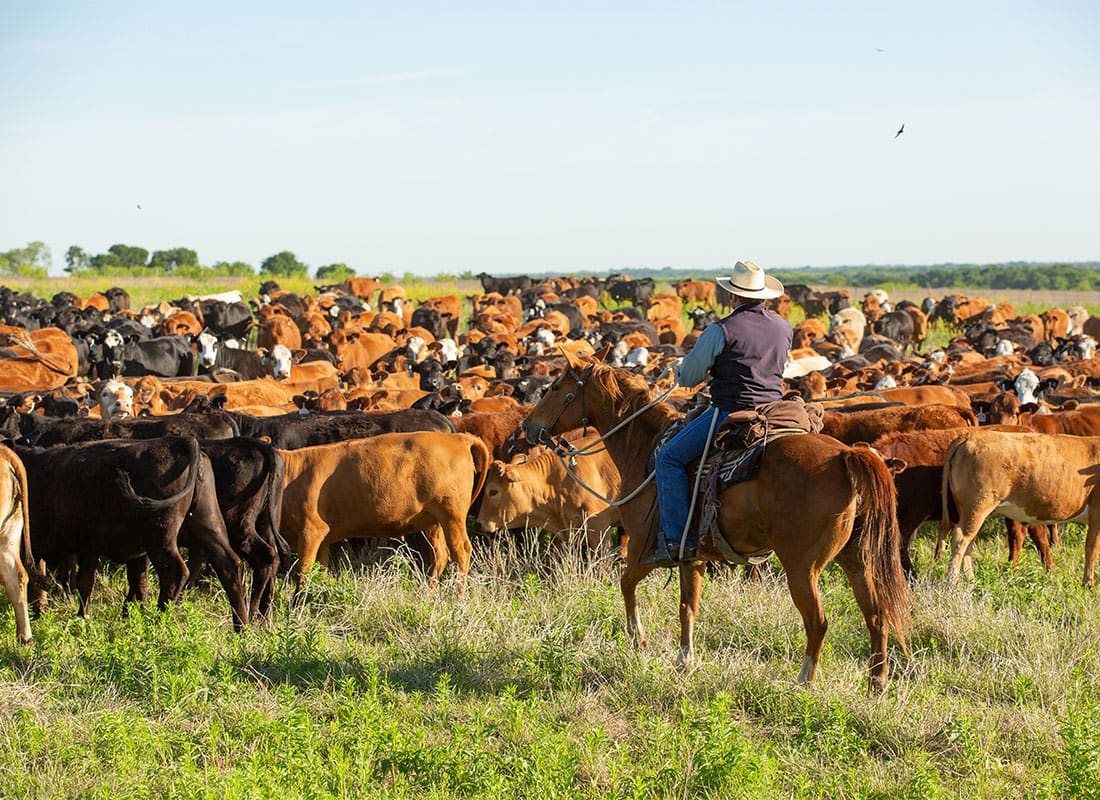
In many industries, from veterinary clinics to farms and zoos, safe animal handling is crucial for the well-being of both animals and employees. Proper handling techniques not only prevent injuries but also ensure a stress-free environment for animals, which is essential for their health and productivity. Here, we explore some key strategies for safe animal handling that can help protect both animals and employees.
Understanding Animal Behavior
One of the first steps in safe animal handling is understanding animal behavior. Animals communicate through body language, vocalizations, and other subtle cues. Employees should be trained to recognize these signs to anticipate an animal’s reactions and respond appropriately.
Recognizing Stress Signals
Animals often exhibit signs of stress when they feel threatened or uncomfortable. Common stress signals include:
- Vocalizations: Unusual sounds or increased vocal activity can indicate distress.
- Body Language: Raised fur, pinned-back ears, or a tucked tail can signal fear or aggression.
- Movement Patterns: Pacing, restlessness, or attempts to escape are often signs of stress.
By recognizing these signals, employees can take steps to calm the animal and prevent potential incidents.
Proper Training and Equipment
Training employees in safe handling techniques is essential. This includes:
- Hands-On Training: Practical experience with animals under supervision helps employees learn how to handle different species safely.
- Use of Equipment: Proper use of equipment such as gloves, leashes, and harnesses can prevent injuries. Employees should be familiar with the tools specific to their industry.
- Emergency Procedures: Employees should be trained in emergency procedures, including how to safely restrain an animal or administer first aid if necessary.
Creating a Safe Environment
The environment in which animals are handled plays a significant role in safety. Consider the following:
- Space: Ensure there is enough space for animals to move freely without feeling confined.
- Noise Levels: Minimize loud noises that can startle animals.
- Cleanliness: Maintain a clean environment to prevent the spread of diseases.
Regular Health Checks
Regular health checks for animals can prevent the spread of diseases and identify any health issues early. Healthy animals are less likely to exhibit unpredictable behavior, reducing the risk of injury to handlers.
Encouraging a Culture of Safety
Fostering a culture of safety within the workplace is vital. Encourage open communication among employees about safety concerns and incidents. Regular safety meetings and updates on best practices can keep safety top of mind.
For more information on how to implement these practices or to discuss insurance options that can help protect your business and employees, feel free to reach out to our agency. We are here to support you in creating a safe and productive environment for both your team and the animals in your care.


